Style Time Machine: Decoding the Fashion Eras That Made Us
The Evolution of the Vibe
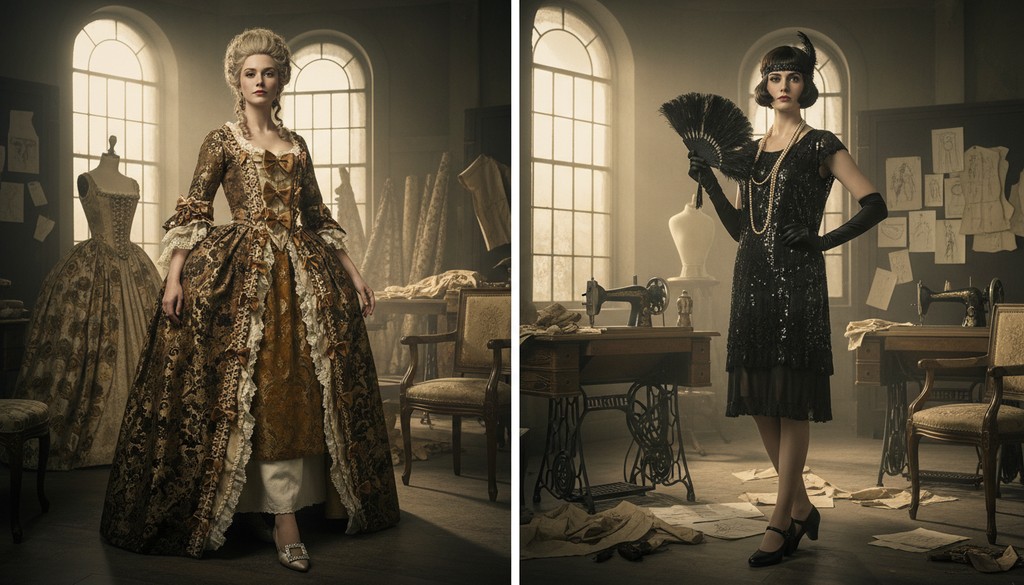
Darling, fashion has never just been about the clothes; it is the ultimate mood ring of history! According to ↗fashion-era.com, our wardrobes have always mirrored our social status and cultural beliefs. We started with the Georgian Era (1714-1830), which was all about that grand, formal aesthetic. Think total opulence with Baroque and Rococo influences that were basically the "quiet luxury" of the 18th-century upper class—except not quiet at all! It was all about structured garments that screamed wealth and status.
Breaking the Rules
As we moved into the 20th century, things got seriously spicy. Around 1909, designers like Paul Poiret and Paquin brought in a major Asian Influence, inspired by the scandalous sets of the Ballet Russes. But the real game-changer? The First World War Era (1914-1918). As women stepped into war work, practicality became the new black. This was the moment skirts finally shortened to show off the calves, leading us straight into the iconic 1920s Flappers. These "Bright Young Things" traded in restriction for shorter, shapeless shift dresses and a rebellious spirit that still inspires our night-out looks today.
Why it Matters for Your Wardrobe
Understanding these eras is like having a secret styling superpower. Whether it is the "golden age" of 1950s couture or the anarchic energy of 1970s punk, every trend is a reaction to the era before it. According to the ↗vam.ac.uk, even the most basic items like jackets evolved from masculine riding habits into the versatile essentials we rock for brunch.
- Georgian (1700s): Grandiose, formal, and totally extra.
- Regency (1800-1820): Soft, Greek-inspired drapery and high waists.
- Wartime (1910s): Functional, shorter hems, and female empowerment.
- Modern (2000s-Beyond): A mix of everything, from subcultural styles to high-tech fabrics.