The New Pioneers: Navigating the Silent Abyss
The Paradox of Progress
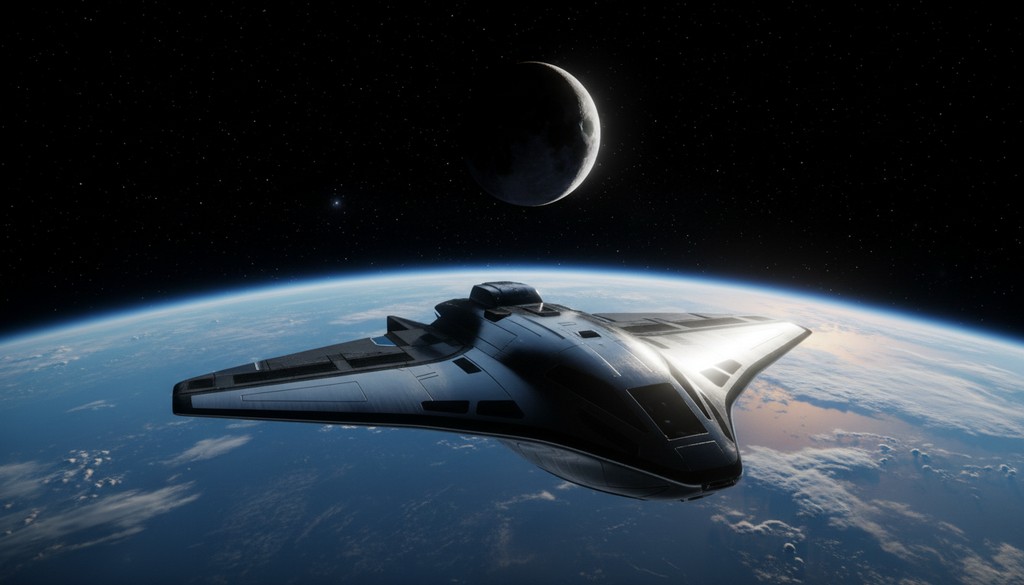
Can we truly claim to conquer the heavens if we do so by embracing risks that were once deemed unthinkable? We find ourselves at a strange crossroads where the silent, velvet vacuum of space is no longer the sole playground of nations, but a frontier for the bold and the private. This shift raises a haunting philosophical question: how much of our humanity are we willing to gamble for a glimpse of the stars? As private entities leap into the void, the line between pioneering spirit and perilous venture begins to thin.
A Vertigo of Scale
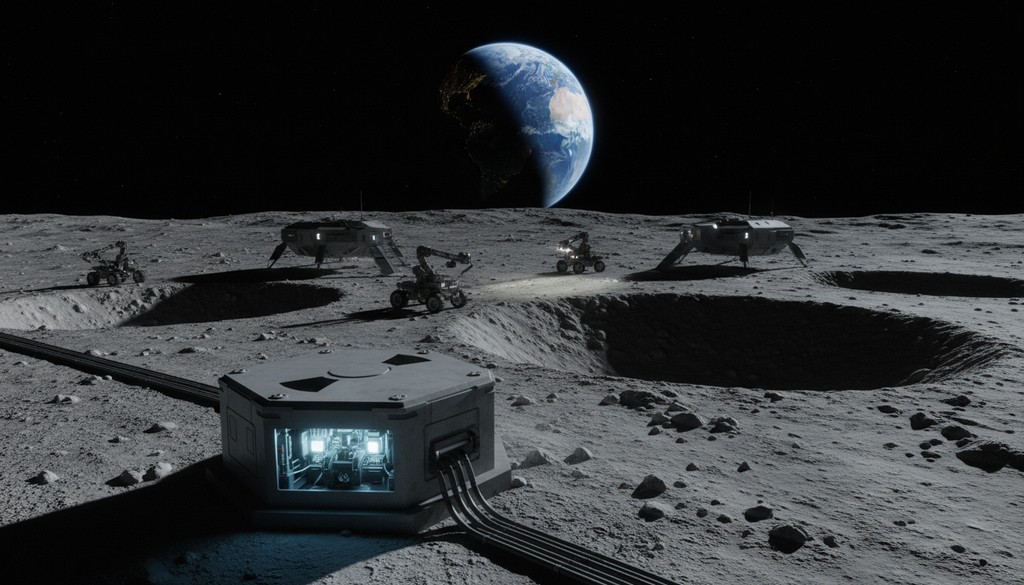
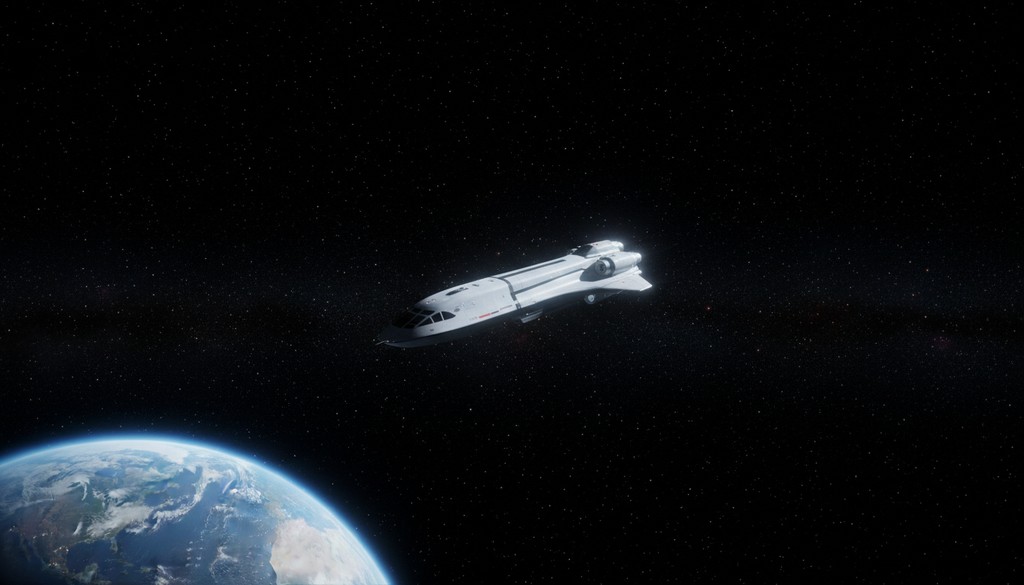
Consider the sheer audacity of the Polaris Dawn mission. In September 2024, a crew of four reached an altitude of 1,408.1 km—the highest crewed Earth orbit since the Apollo era. To stand at such a height is to see our entire world as a fragile marble suspended in an infinite, uncaring dark. At this staggering distance, the mission conducted the first-ever private spacewalk, exposing civilian explorers to the hard vacuum of space. Further still, in February 2025, Firefly Aerospace’s Blue Ghost achieved the first private soft landing on the Moon, proving that our reach now extends firmly to other celestial bodies. We are no longer just looking at the moon; we are touching its dust with private hands.
The Weight of the Void
While these milestones are breathtaking, they carry a heavy responsibility. The transition from government-led programs to private ventures like those of SpaceX and Astrobotic introduces complex challenges:
- Acceptable Risk: High-risk missions have potential ramifications for government-sponsored programs, where a single catastrophic failure could erode public trust and set back research for decades.
- Scientific Advancement: Despite the risks, these missions are vital. The Blue Ghost lander, for instance, carried out ten experiments for NASA, including the analysis of lunar soil and subsurface temperatures.
- The Ethical Frontier: We must now decide who is responsible for mitigating the risks of those who travel into the abyss and how we balance the thirst for innovation against the sanctity of life.
As we push toward a multi-planetary future, we must ensure that our ambition does not outpace our wisdom. The stars are waiting, but they are indifferent to our haste. ↗nature.com ↗blog.equityzen.com